Omron Polarized Cameras – Make Surface Details Visible
No More Reflection and Glare Problems with Polarization Technology
Omron's polarizing camera range is specifically designed to detect overlooked imperfections caused by reflection and glare. Thanks to polarizing filters, you can clearly analyze microscopic details on metal, glass, plastic and shiny surfaces.
Polarized cameras provide reliable data in high-precision quality control and automation processes.
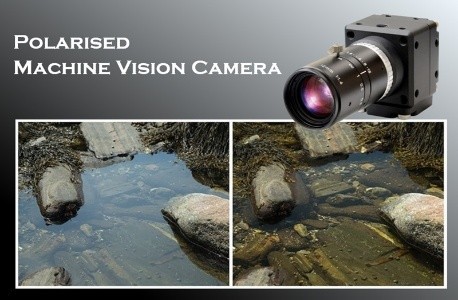
So how do polarized cameras work differently than polarizing filters?
The basis of polarizing cameras are four-way polarizing filters. These filters analyze the incoming light at angles of 0°, 45°, 90° and 135° and record the polarization information of the light.
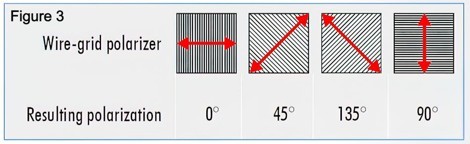
As a result, data obtained from four different polarization angles in a single shot are combined, allowing for a more detailed analysis.
Highlights
- Viewing with Polarizing Filter: It prevents loss of detail on reflected surfaces.
- High Resolution and Speed: It provides uninterrupted and clear images even on critical production lines.
- Full Compatibility with FH Series: It works integrated with existing Omron infrastructures.
- AI Powered Analysis
- Compact Industrial Design: Fast integration into difficult production line conditions.
Application Areas
- Surface inspection of shiny plastic and metal parts
- Glass, ceramic and optical lens inspection
- PCB and electronic component surface defect detection
- Automotive trim and part surface analysis

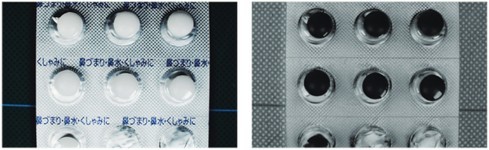
- Reflection-related defect control on packaging and labels
Technical Specifications (Example Model: Omron FH-PL Series)
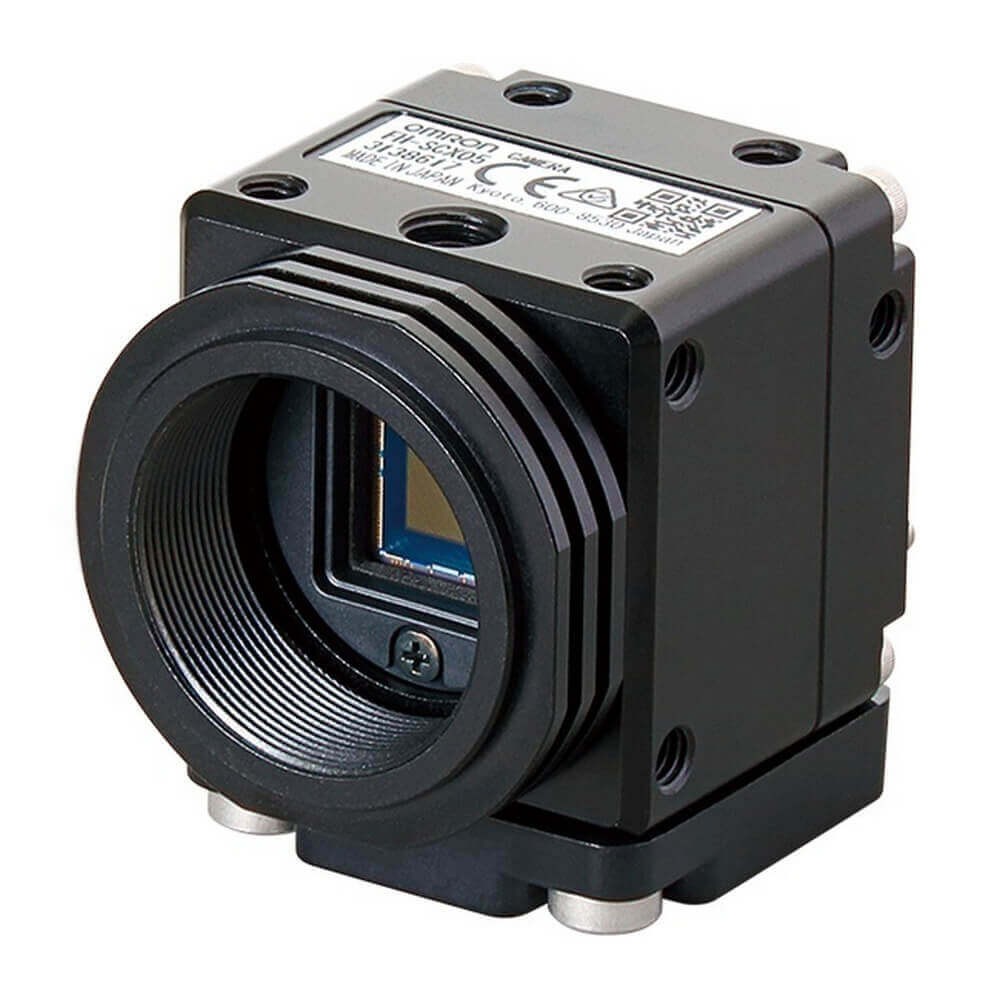
| Feature | Value |
| Sensor Type | CMOS / With Polarizing Filter |
| resolution | 5 MP – 20 MP options |
| Frame Rate | 60 – 120fps |
| interface | GigE/USB3 |
| Lens Mount | C-Mount / F-Mount |
| Dynamic Range | 70dB |
| Operating Temperature | 0–50°C |
| AI Integration | Oacon Smart Vision Platform compatible |