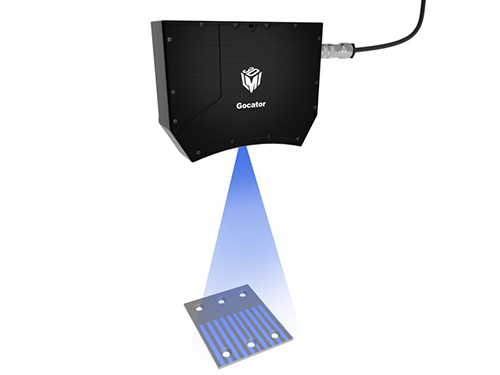
***INDUSTRY FIRST*** 2D AND 3D SHAPE MATCHING AND POSITIONING
The 2D visual control systems that we have been using for a long time continue to meet our quality control needs at many points. However, day by day, demands and needs force manufacturers to add another dimension to their 2D control systems in visual control with the expectation of 0 errors.
3D systems are developing rapidly every day and their use in industry is increasing.
As you use these systems, whose catalogs, presentations and videos are very impressive, you are likely to be disappointed at some points. The most important of these may be advanced 3D shape matching and part position correction. If you haven't experienced it before, you may be wondering "so, is it difficult to find the position in these images? or is there no position correction?" You may be surprised. Yes, there wasn't. Until LMI3D Technologies developed it and offered it in August 2021.
Let's talk a little about this latest technology below.
The new surface shape finding tool in LMI Gocator software leverages powerful contour-based shape matching to find sub-pixel accurate features in both 2D and 3D.
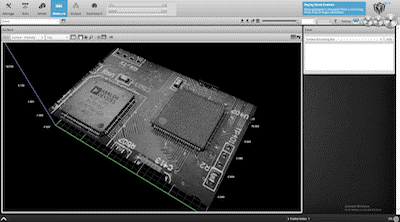 2D contrast data
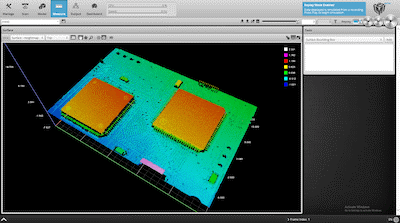 3D figure height data
Each shape the software finds determines the position and direction of the XY and is one of the first steps used in most visual inspection applications.
As an example, you can see this transistor changing position below.
This time we will use a shape finding algorithm to create a model of the top end of the transistor.
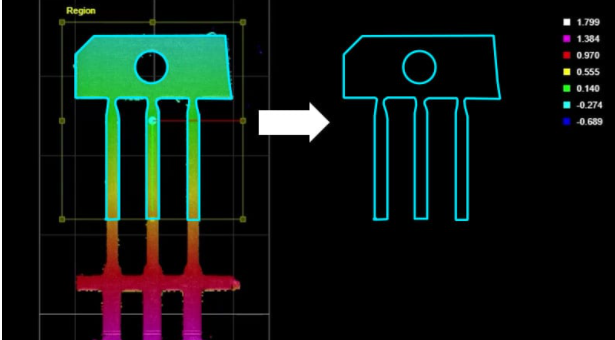
Now, as we move between frames, we can see that the XY position and rotation of the shape are present in each of the scans. We may use this information to link subsequent controls.
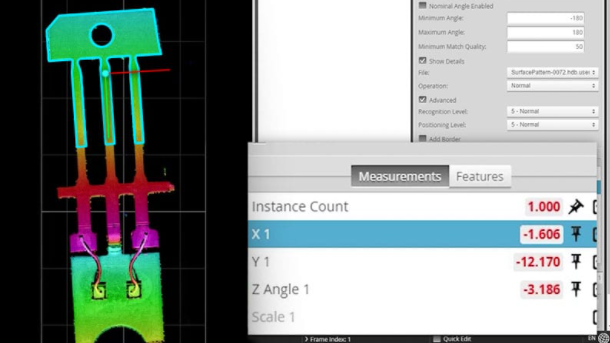
In addition, let's check the hole diameter in the product and fix this control point using the X, Y and Z angle information we captured from the part position. You will now get the correct result whether the piece moves 360 degrees horizontally or moves up and down.
This is not possible with images you receive in 2 dimensions. The absence of any depth-related data, as well as the clarity and growth and shrinkage problems experienced due to depth, will result in the inability to measure, or even if it does, it will lead to incorrect results.
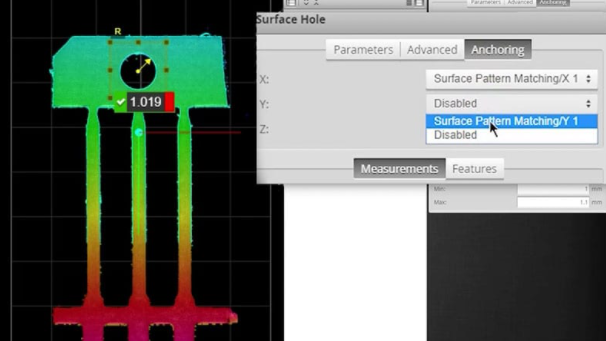
This way we can continue to add controls for other points and create a robust measurement system that accounts for part and feature movement.
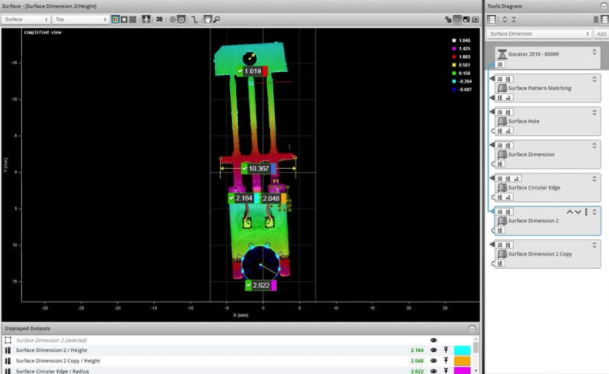
3D shape matching gives a ratio of how well the shape matches the sample image. And you can take advantage of other benefits such as filtering and masking for more precise control.
For more accurate measurement and examination, you can adjust the shapes you want to capture as they should by suppressing and eliminating certain contours (such as unwanted edges).
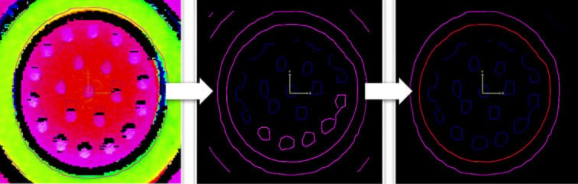
Some of the precise settings and image processing filters to be determined for finding shapes in LMI Gocator software,
Scaling to tolerate shape growth and shrinkage,
Regional masking,
2D Contrast filtering (dark on light or light on dark),
3D Shape detail filters (raised shapes or embossed shapes).
Since LMI Gocator Laser Profile Devices and Snapshot sensors include depth information in addition to the XY world, it allows you to bring other perspectives to many applications that are possible, difficult or impossible with indirect solutions.