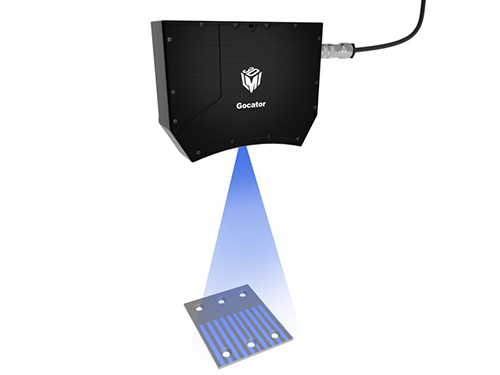
Isn't It Time to Change Size?
Maybe it's time to change size! We can say that 2D controllers do a very good job, but we cannot ignore their shortcomings. A 2D controller cannot work stably in applications with depth / height differences or low contrast transitions. Take a look at how the difference in height and depth is reflected on the 2D camera screen in the photo below.
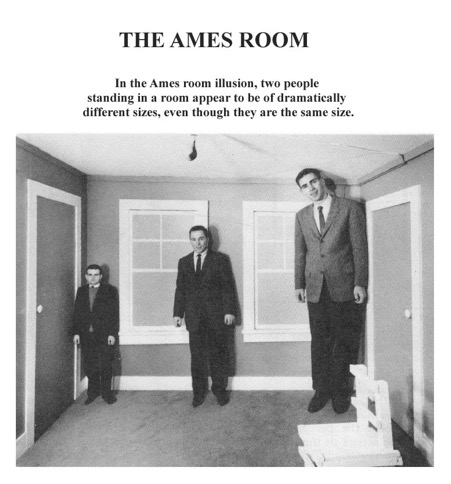
2D sensing devices cannot measure critical features such as depth, surface angles or part volumes. Considering that most businesses need to examine every aspect of the product, the inability to measure a 3D shape is a major disadvantage of 2D measurement tools.
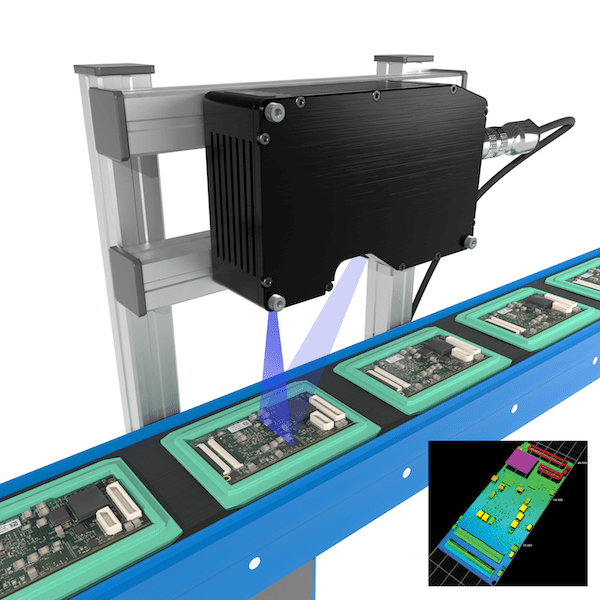
When it comes to 3D control, the first example that comes to mind is 3D laser profile devices. These devices produce 3D profile information of the profile or surface, using this information to provide critical information to determine whether a part meets tolerances for surface quality, assembly and fit.
CONTRAST MATTER
2D controllers that perform contrast-based measurements measure the contrast (edge transition) of the object to be detected. These devices rely on color tone or black-white variations on the object to detect. As a common example in industry, a 2D sensing device cannot measure a black object on a black background or cannot make the desired measurements without providing certain lighting conditions to reveal the presence of an edge.
3D sensing devices do not vary with contrast. This means that shape can be measured independently of surface color, making devices capable of 3D sensing ideal for measuring low-contrast objects.
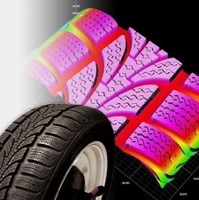
THE MATTER OF DEPTH and ROBOTIC
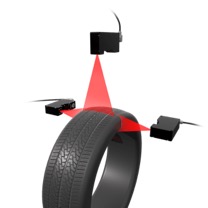
Robotic control applications operate in 3D space. This means that 2D sensing technology cannot provide the required depth and position information for camera robot systems used in automatic quality control. 3D laser profiling devices (also a Snapshot sensor) provide vision to a robot, allowing it to detect changes in its physical environment and adapt accordingly. This increases the robot's flexibility, usability, and speed in key applications such as pick-and-place. In addition to image processing, laser profile devices and a wide range of flexible robotic control applications can be mounted on the robot and perform scanning, measurement and control operations.
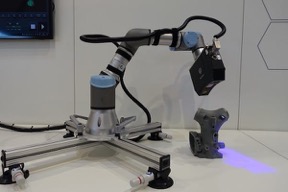
It is possible to use 2D and 3D sensing devices together. In addition to 3D shape measurements, the intensity of the reflected laser or LED light is used to create a 2D image of a part's surface. This information can be used to reveal surface markings such as barcodes and printed text.
Now you have an idea why you might need a 3D view. If you take your eyes off the screen and look around right now, you can see examples where 3D control may be necessary.
Although 3D visual control systems may seem more expensive than 2D systems in terms of initial investment cost, if we add the time spent, considering the reduced equipment and more stable and accurate perception, it can actually provide you with a great advantage in total cost.