1D vs 2D
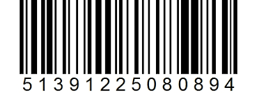
As you know, one-dimensional or 1-dimensional barcodes are the traditional and best-known barcode types such as UPC, EAN and Code 128, as they are encountered very frequently in daily life.
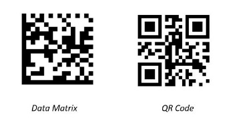
Two-dimensional (2D) barcodes represent coding symbologies that use two-dimensional symbols.
2D barcodes are similar to a linear 1D barcode, but can encode more data per unit area. These include barcode types such as Datamatrix and QR Code types.
Data Matrix symbology is a two-dimensional matrix symbol, normally square. One of the benefits of Data Matrix symbology is that it has error correction – it makes the symbol more robust for many applications, which is a huge benefit when faced with an application that requires marking (DPM) directly onto the part.
Each type of symbology has its own pros and cons.
1D Barcode Pros
- They are simple and common codes and can be read with low-cost code readers.
- The writing method is easy.
- Provides high reading rate.
1D Barcode Cons
- It has limited content.
- It is one-way.
- Requires high contrast typing.
- It is not suitable for direct part marking.
- It is possible to read it wrong.
2D Code Pros
- They are compact codes.
- It is possible to write very high content.
- Thanks to error correction algorithms, misreading is impossible.
- It is versatile.
- 2D code readers can readily read 1D codes.
- Suitable for DPM.
2D Code Cons
- Requires costly image-based code reader.
- Requires high resolution marking.
Taking these situations into consideration when choosing your barcode, writing your barcode, and reading your barcode at the same time will save you from possible problems you may encounter. If you want to get more detailed information, our application engineers will help you.